
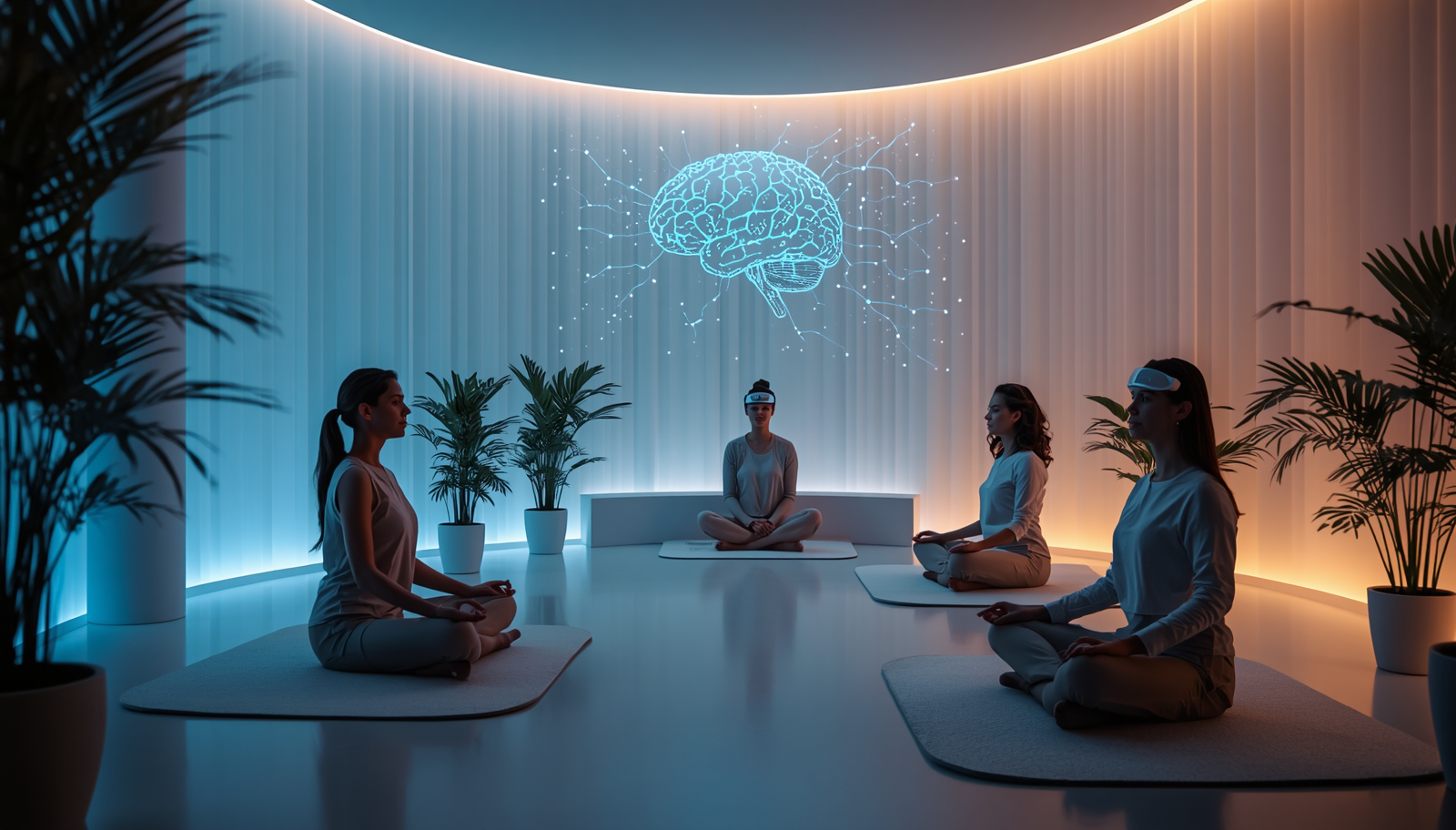
Neurowellness 2026 has officially arrived — and the Global Wellness Summit just named it the single most important health trend of the year. Every year, a handful of wellness trends break through the noise and reshape how millions of people think about their health. In 2026, 1 trend is rising above all others — and it’s not a new supplement, a fasting protocol, or a fitness craze.
It’s neurowellness.
The Global Wellness Summit — one of the most influential voices in the global health and wellness industry — named neurowellness the #1 wellness trend of 2026. Defined broadly as the intersection of neuroscience, technology, and personal health practice, neurowellness is about 1 fundamental idea: your nervous system is the master control system for your entire health — and you can learn to regulate it.
Here’s what neurowellness actually means, why it matters so much right now, and what it looks like in practice.
What Is Neurowellness, Exactly?
Neurowellness is a term that covers a spectrum of practices and technologies centered on optimizing the nervous system — specifically the autonomic nervous system (ANS), which governs your stress response, recovery, digestion, heart rate, immune function, and dozens of other processes that happen below the level of conscious control.
The Global Wellness Summit describes the most compelling version of this trend as “precision nervous system optimization” — the ability to objectively measure and retrain stress and resilience patterns in real time.
In simpler terms: neurowellness is about understanding what state your nervous system is in, recognizing when it’s dysregulated, and having tools to bring it back into balance — not just by relaxing or “taking a break,” but through evidence-based, technology-assisted practices that create measurable, lasting change.
Think of it as fitness for your nervous system. Just as physical training makes your muscles stronger and more resilient, nervous system training makes your stress response more calibrated, your recovery faster, and your baseline wellbeing more stable.
Why the Nervous System Is the Foundation of All Health
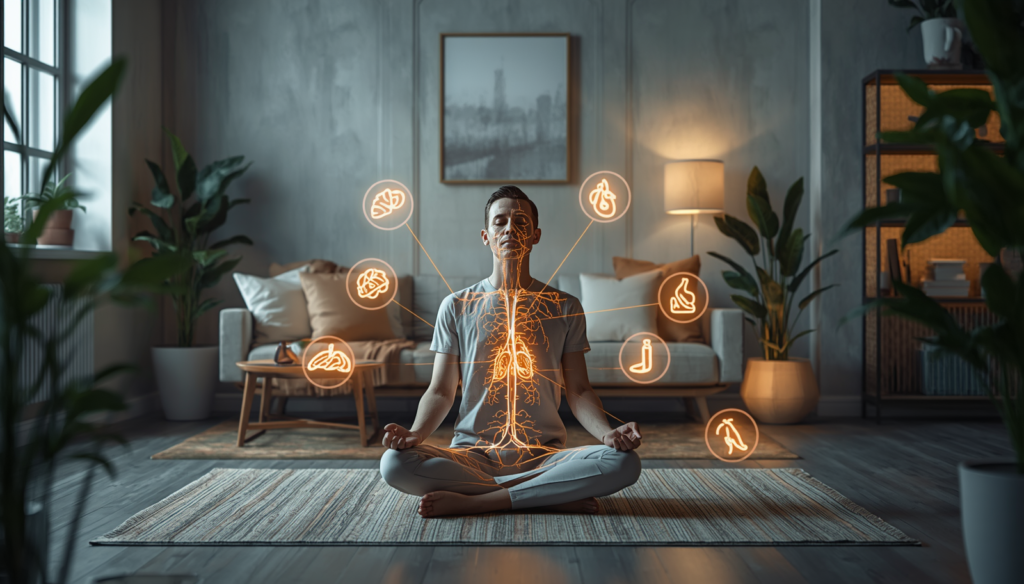
To understand why neurowellness is having its moment, you need to understand just how central the nervous system is to every dimension of health.
Your autonomic nervous system has 2 primary branches:
The sympathetic nervous system (SNS) — your “fight or flight” system. It mobilizes energy, raises heart rate, heightens alertness, and prepares you for action. Absolutely essential in genuine threat situations — but chronically activated in most modern people due to work stress, digital overstimulation, financial pressure, and relationship conflict.
The parasympathetic nervous system (PNS) — your “rest and digest” system. It slows heart rate, promotes recovery and digestion, reduces inflammation, and supports immune function. This is the state in which your body heals, restores, and grows.
Here’s the problem for most people in 2026: the balance is badly off. We spend too much time in sympathetic dominance (chronic stress mode) and not enough time in parasympathetic recovery (rest and repair mode).
The consequences of this imbalance are enormous:
- Chronic inflammation — the root driver of heart disease, diabetes, depression, cancer, and autoimmune conditions
- Disrupted sleep — the sympathetic nervous system literally keeps you awake
- Digestive problems — digestion requires parasympathetic activation; chronic stress shuts it down
- Immune dysfunction — chronic stress suppresses immune function, increasing vulnerability to infection and illness
- Mental health deterioration — anxiety, depression, and burnout are all deeply rooted in nervous system dysregulation
- Hormonal imbalance — the stress hormone cortisol disrupts virtually every other hormonal system in the body
The promise of neurowellness is this: if chronic nervous system dysregulation is driving much of modern illness, then learning to regulate your nervous system is one of the highest-leverage health investments you can make.
The Technology Making Neurowellness Possible
What makes neurowellness distinct from older concepts like “stress management” is the technology now available to measure, track, and train the nervous system with a level of precision that simply didn’t exist before.
Heart Rate Variability (HRV) Monitoring
HRV — the variation in time between heartbeats — is the most widely used objective measure of nervous system state and recovery. A higher HRV generally indicates better parasympathetic tone and stress resilience. A lower HRV signals fatigue, stress overload, or inadequate recovery.
Wearables like the Oura Ring, WHOOP, Apple Watch, and Garmin devices now measure HRV continuously, giving users real-time insight into their nervous system state. This data transforms stress management from a vague concept (“I should probably relax more”) into a measurable, trackable health metric.
Biofeedback and Neurofeedback
Biofeedback uses real-time physiological data — heart rate, skin conductance, breathing patterns — to teach people to consciously influence their own nervous system state. Devices like HeartMath and various clinical biofeedback tools have decades of research behind them showing genuine, lasting improvements in stress resilience and HRV.
Neurofeedback does the same but using EEG (brainwave) data — training people to shift their brain activity patterns toward states associated with calm, focus, and resilience.
Breathwork Apps and Guided Protocols
The breath is the only autonomic function that can be consciously controlled — making it the most accessible lever for nervous system regulation. Apps like Othership, Breathwrk, and various HRV biofeedback platforms are making structured breathwork protocols more accessible and more personalized than ever.
Emerging Neurostimulation Technologies
Non-invasive neurostimulation devices — including transcutaneous vagus nerve stimulators — are entering the consumer market, claiming to directly activate the parasympathetic nervous system. Research is still emerging, but early clinical data is promising.
Why Neurowellness Is Trending Now
Several converging forces are driving the neurowellness wave in 2026:
1. The stress and burnout crisis is undeniable. Global rates of anxiety, burnout, and stress-related illness continue to climb. The COVID-19 pandemic left a lasting mark on collective nervous system health. People are looking for solutions that go deeper than “self-care Sundays.”
2. Wearable technology has crossed a threshold. Consumer HRV monitoring is now accurate, affordable, and mainstream. Millions of people are walking around with real-time nervous system data on their wrists — and they’re starting to use it.
3. The neuroscience is catching up. Research on nervous system regulation, polyvagal theory, trauma, and resilience has exploded over the past decade. Books like “The Body Keeps the Score” have brought these ideas into mainstream consciousness.
4. Traditional wellness has hit a ceiling. Green juice, yoga, and meditation are valuable — but for many people, they’re not moving the needle on chronic stress, anxiety, or burnout. Neurowellness offers a more targeted, measurable approach.
5. AI and personalization. AI-powered wellness platforms are increasingly capable of analyzing physiological data and providing personalized nervous system regulation protocols — moving from generic advice to truly individualized guidance.
6 Evidence-Based Ways to Start Regulating Your Nervous System Today
You don’t need expensive technology to start practicing neurowellness. Here are 6 accessible, evidence-backed tools:
1. Physiological Sighing (5 minutes/day)
Researched extensively by Stanford neuroscientist Dr. Andrew Huberman, the physiological sigh — 2 quick inhales through the nose followed by a long exhale through the mouth — is the fastest known way to reduce acute stress and activate the parasympathetic nervous system.
Doing this for just 5 minutes produces measurable reductions in anxiety and heart rate. It works faster than virtually any other breathing technique.
2. Box Breathing (4-4-4-4)
Used by Navy SEALs, first responders, and elite athletes, box breathing involves: inhale for 4 seconds, hold for 4 seconds, exhale for 4 seconds, hold for 4 seconds. Repeat for 4–5 minutes.
This technique directly activates the vagus nerve — the primary conduit of the parasympathetic nervous system — and produces rapid, measurable improvements in HRV.
3. Cold Exposure
Brief cold exposure — even a 30–60 second cold shower — activates the sympathetic nervous system acutely, followed by a strong parasympathetic rebound. Practiced regularly, this trains the nervous system to recover more quickly from stress activation — improving what researchers call “vagal tone.”
4. Morning Sunlight (10–15 minutes)
Getting natural light exposure within the first hour of waking entrains your circadian rhythm, which is deeply connected to autonomic nervous system regulation. This simple habit improves sleep, reduces cortisol reactivity, and stabilizes mood — all through nervous system pathways.
5. Vagal Toning Through Humming or Singing
The vagus nerve runs through the vocal cords. Humming, singing, or chanting creates vibrations that directly stimulate the vagus nerve and promote parasympathetic activation. Even 5–10 minutes of humming or singing measurably increases HRV.
6. Track Your HRV
Even without doing anything else, tracking your HRV through a wearable device creates awareness of your nervous system patterns. You’ll notice what activities, foods, sleep patterns, and stressors move your HRV up or down — and that awareness is the foundation of all intentional nervous system regulation.
Frequently Asked Questions (FAQ)
Q: What exactly is neurowellness? A: Neurowellness is the practice of actively monitoring, understanding, and optimizing the state of your nervous system — particularly the autonomic nervous system — to improve stress resilience, recovery, mental health, and overall wellbeing. It combines neuroscience, technology, and evidence-based health practices.
Q: Is neurowellness backed by science? A: Yes — the underlying science is well-established. Heart rate variability as a marker of nervous system health, the effects of breathwork on the vagus nerve, and the consequences of chronic stress on health are all extensively researched. The “neurowellness” framing is newer, but the science behind it is not.
Q: What is HRV and why does it matter? A: Heart rate variability (HRV) is the variation in time between consecutive heartbeats. Higher HRV indicates better autonomic nervous system function, greater stress resilience, and better recovery capacity. It’s the most widely used objective metric in nervous system health and is measurable through most modern fitness wearables.
Q: Do I need expensive technology to practice neurowellness? A: No. Many of the most powerful nervous system regulation tools — breathwork, cold exposure, morning sunlight, singing, and regular exercise — are free. Technology like HRV monitors adds precision and feedback but isn’t required to start.
Q: How long does it take to improve nervous system regulation? A: Some techniques (breathwork, physiological sighing) produce acute benefits within minutes. Lasting improvements in baseline HRV and stress resilience typically develop over 4–12 weeks of consistent practice.
Q: What’s the connection between neurowellness and mental health? A: Extremely close. Anxiety, depression, and burnout all have significant nervous system components — they’re not purely psychological conditions. Improving nervous system regulation through the tools above often produces measurable improvements in mental health symptoms, and many therapists are now integrating nervous system regulation practices into their clinical work.
The Bottom Line
Neurowellness isn’t another wellness fad. It’s a convergence of decades of neuroscience research, powerful new technology, and a genuine public health need — as stress-related illness reaches epidemic levels globally.
The core idea is simple and profound: your nervous system is the master regulator of your health. When it’s chronically dysregulated — stuck in stress mode — everything suffers. When it’s well-regulated — capable of activating under pressure and recovering quickly — everything improves. Energy. Sleep. Mood. Immunity. Digestion. Focus. Resilience.
The tools to measure and train your nervous system are more accessible than ever before. And the evidence for their effectiveness is solid.
In 2026, the most important fitness goal might not be how much you can lift or how far you can run. It might be how well your nervous system can handle stress — and how quickly it can find its way back to calm.
That’s neurowellness. And it just might be the health investment that changes everything.