The connection between cortisol and belly fat is one of the most clinically significant — and most consistently overlooked — explanations for why so many people struggle to lose weight around their midsection despite doing “everything right.” You’ve cleaned up your diet. You’re moving more. You’re sleeping — sort of. But that stubborn abdominal fat still isn’t moving.
If this sounds familiar, and you’ve been quietly blaming your willpower or your metabolism, there’s a real chance neither is the main problem. Here’s what’s actually happening, and what to do about it.
I. What Cortisol Is and Why Your Body Makes It
Cortisol is produced by the adrenal glands — two small glands that sit on top of your kidneys. It’s released in response to stress, and in short bursts, it’s genuinely useful. When cortisol spikes in a stressful moment, it sharpens your focus, mobilizes energy, raises your heart rate, and prepares your body to deal with a threat. This is the classic fight-or-flight response.
The problem is that the human stress system was designed for short, acute threats — a predator, a physical danger, an emergency. It wasn’t designed for the modern reality of chronic, unrelenting stress: a demanding job, financial pressure, relationship strain, poor sleep, and constant digital stimulation, all running simultaneously, day after day.
When stress becomes chronic, cortisol doesn’t return to baseline the way it should. Instead, it stays elevated — and that sustained elevation has consequences throughout the body that play out very differently from a brief cortisol spike.
II. The Specific Link Between High Cortisol and Abdominal Fat

This is where things get specific, and it’s worth understanding the actual mechanism rather than just accepting a vague causal story.
Chronically elevated cortisol promotes fat storage through several intersecting pathways:
i. Visceral fat cells have more cortisol receptors. Fat cells deep in the abdomen — known as visceral fat — have a higher concentration of glucocorticoid receptors than subcutaneous fat (the fat just under the skin). This means visceral fat is more sensitive to cortisol signals. When cortisol is high, these abdominal fat cells are essentially receiving a stronger, more sustained “store more fat” message than fat cells elsewhere in the body.
ii. Cortisol drives insulin resistance. Elevated cortisol raises blood sugar by signaling the liver to release glucose and by reducing the sensitivity of cells to insulin. Over time, this insulin resistance means blood sugar stays elevated longer after meals, and the body compensates by releasing more insulin — which is itself a fat-storage hormone. The combination creates a metabolic environment strongly biased toward fat accumulation, particularly in the abdomen.
iii. Cortisol increases appetite, especially for calorie-dense foods. High cortisol blunts the satiety hormone leptin and boosts the hunger hormone ghrelin. It also amplifies cravings for high-sugar and high-fat foods specifically — not because of a character flaw, but because the brain is seeking a quick energy source to deal with the perceived stress. This is partly why stress eating feels so compelling and so hard to resist. It’s neurochemistry, not weakness.
iv. Poor sleep raises cortisol further. Cortisol has a natural diurnal rhythm — highest in the morning to help you wake up, lowest at night to allow for repair and rest. Chronic poor sleep disrupts this rhythm, keeping nighttime cortisol higher than it should be. And higher nighttime cortisol means less quality deep sleep, which means more stress on the body, which means more cortisol. This feedback loop can be genuinely difficult to break without addressing it from multiple angles.
III. Signs That Cortisol Might Be Playing a Role in Your Weight
Not every case of stubborn belly fat is cortisol-driven, but there are patterns worth looking for:
- I. Fat that concentrates specifically around the midsection, even if the rest of your body is relatively lean
- II. Weight gain during periods of high stress, even with no meaningful change in diet or exercise
- III. Strong cravings for salty, sugary, or processed foods, particularly in the evening
- IV. Difficulty falling asleep or waking up at 3 or 4 a.m. and being unable to return to sleep
- V. Energy that crashes in the afternoon and picks up again at night
- VI. A sense of constant urgency or low-level anxiety, even when nothing specific is wrong
- VII. Puffiness or bloating, particularly in the face and abdomen
In more extreme cases — where cortisol is chronically and pathologically elevated due to a condition called Cushing’s syndrome — fat accumulation in the midsection and upper back becomes very pronounced. Most people won’t have this diagnosis, but milder versions of cortisol-driven fat patterning are far more common than clinical guidelines currently acknowledge.
IV. How to Lower Cortisol Naturally: Strategies That Actually Work
The good news here is real. Cortisol levels are highly responsive to lifestyle changes, and many of the most effective interventions are accessible, free, and immediately implementable.
1. Prioritize Sleep Above Almost Everything Else
Sleep is the most powerful cortisol regulator available to most people. Research is consistent: getting less than 7 hours of sleep per night significantly elevates cortisol the following day, and the effect compounds over time. Going to bed and waking up at the same time every day — even on weekends — helps normalize the cortisol rhythm and can produce measurable reductions in baseline cortisol levels over weeks.
Creating a sleep environment that’s cool, dark, and quiet is not optional if you’re serious about this. Your cortisol rhythm is tied to light exposure, and even small amounts of light during sleep can disrupt it.
2. Move Your Body — But Not Too Hard
Exercise is a cortisol regulator, but the type and intensity matter more than most people realize. High-intensity exercise — prolonged HIIT sessions, heavy training done while sleep-deprived or under-recovered — acutely spikes cortisol. In small doses with adequate recovery, this is fine. But training hard on top of already elevated baseline cortisol can backfire.
For people dealing with chronic stress and cortisol-driven weight gain, moderate-intensity movement like brisk walking, cycling, swimming, or yoga tends to be more effective. These activities lower cortisol rather than add to it, while still providing cardiovascular and metabolic benefits. Daily walks of even 20 to 30 minutes can make a meaningful difference in cortisol management over time.
Strength training at a manageable intensity is also valuable — it improves insulin sensitivity, builds metabolically active muscle tissue, and promotes the kind of physical resilience that helps the body handle stress better.
3. Reduce Ultra-Processed Food and Stabilize Blood Sugar
Diets high in sugar, refined carbohydrates, and highly processed foods create blood sugar spikes and crashes that trigger cortisol release. Every dramatic drop in blood sugar is interpreted by the body as a stress event, prompting an adrenal response. Eating in a way that keeps blood sugar relatively stable — with adequate protein, fiber, and healthy fat at each meal — removes one of the most consistent drivers of daytime cortisol spikes.
Practically: prioritize whole foods, don’t skip meals, eat protein with breakfast, and limit sugary drinks and snacks, particularly in the afternoon and evening.
4. Manage Stress at the Source
This one sounds obvious, but there’s meaningful specificity here. Passive stress management — hoping things calm down on their own — rarely works. Active interventions that have real evidence behind them include:
- Mindfulness meditation: Even 10 minutes a day has been shown to reduce salivary cortisol levels with consistent practice. The key is consistency, not duration.
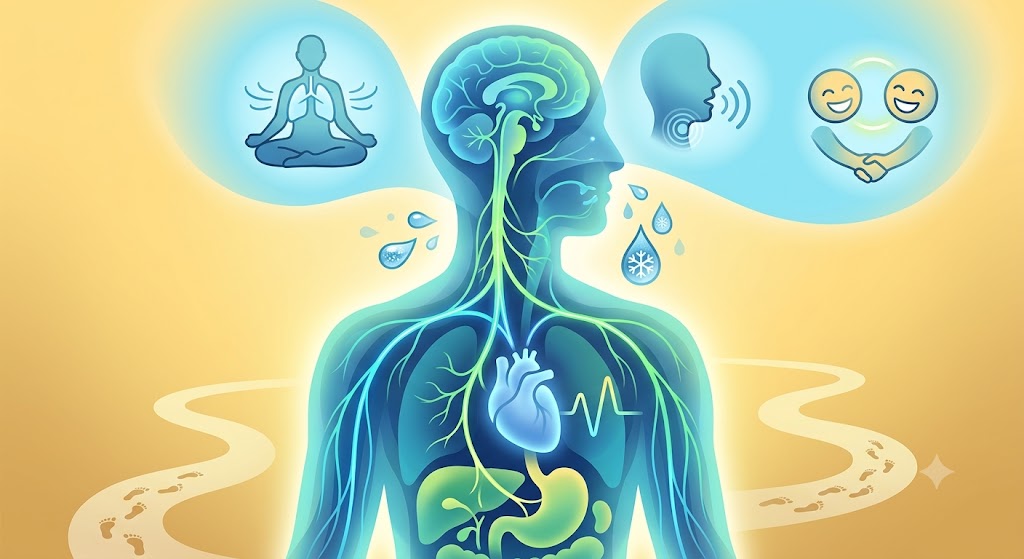
- Breathwork: Slow, diaphragmatic breathing directly activates the parasympathetic nervous system and blunts the cortisol response. This is one of the fastest tools available for in-the-moment cortisol reduction.
- Time outdoors: Multiple studies have found that time spent in natural environments — parks, forests, near water — measurably reduces cortisol compared to urban environments. The effect is real and replicable.
- Reducing digital stress inputs: Constant exposure to news, social media, and work notifications keeps the nervous system in a low-level state of activation throughout the day. Boundaries here are a wellness decision, not just a personal preference. 🌿 Managing stress day-to-day matters as much as diet.
Small rituals — like ending your day with calming scents or ambient sound — can help support your nervous system’s ability to actually downshift. Worth exploring if cortisol management is on your radar.
See more picks in our 10 Wellness Products for Self-Care roundup.
5. Support Cortisol with Specific Nutrients
Some nutrients are particularly relevant to cortisol regulation:
- Magnesium — one of the most important minerals for HPA axis regulation. Deficiency is linked to exaggerated cortisol responses to stress. Most adults are low.
- Vitamin C — the adrenal glands contain the highest concentration of vitamin C of any tissue in the body. Adequate intake supports healthy adrenal function.
- Ashwagandha — an adaptogenic herb with multiple randomized controlled trials showing significant reductions in serum cortisol compared to placebo. One of the best-studied adaptogens for stress.
- Phosphatidylserine — a phospholipid that helps modulate the cortisol response, particularly after exercise.
V. A Note on Realistic Expectations
Cortisol-related belly fat is not going to disappear in 2 weeks. This is important to say plainly, because wellness culture loves dramatic transformation timelines. The reality is that chronic cortisol dysregulation developed over months or years — and it responds to patient, consistent intervention over a similar timeframe.
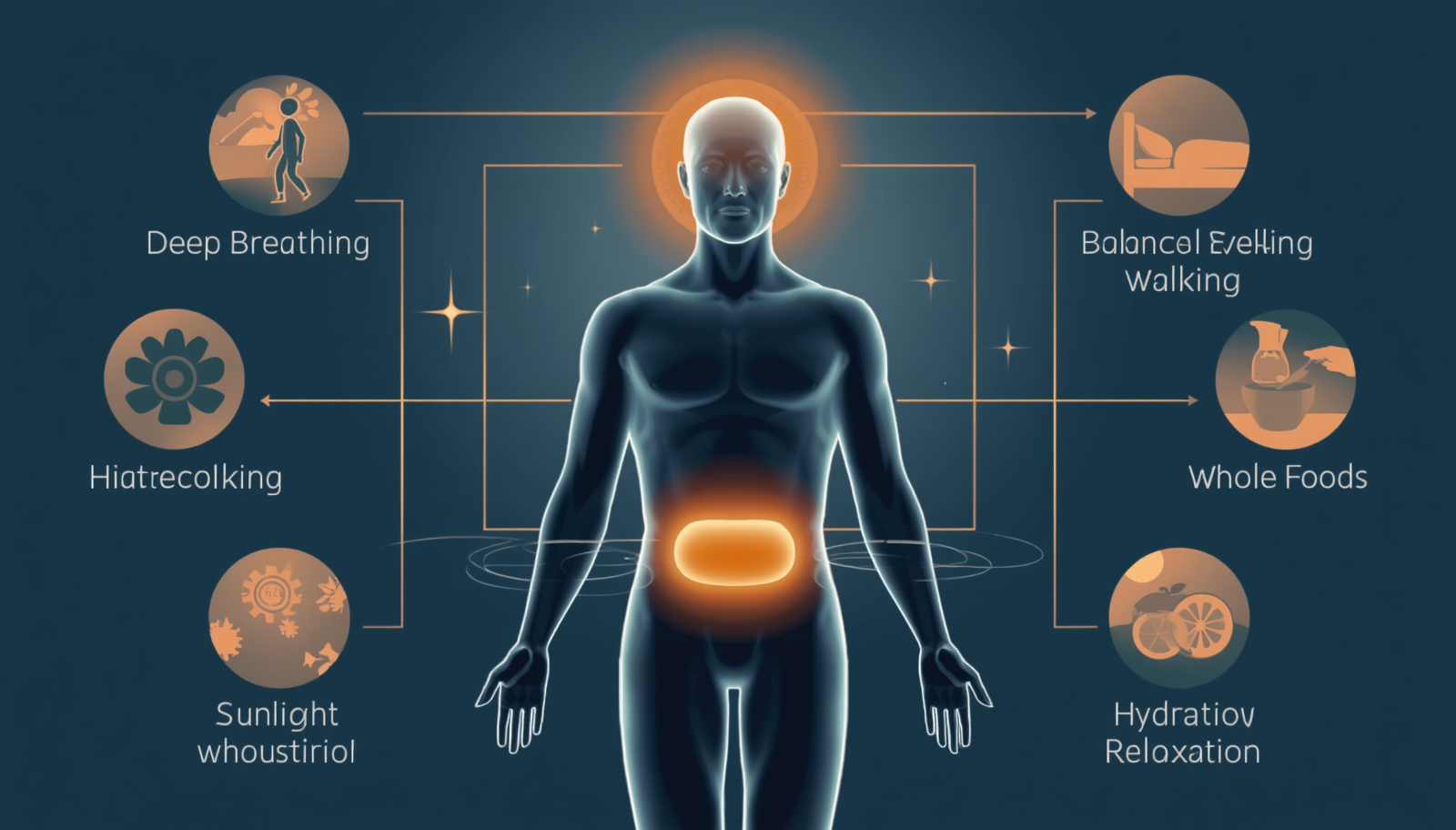
If you implement better sleep, daily movement, a more stable diet, and active stress management consistently for 8 to 12 weeks, you should start to see meaningful changes — not just in your waistline, but in how you feel, how you sleep, how you handle stress, and how stable your energy is throughout the day.
You’re not fighting your body here. When you lower cortisol, your body wants to redistribute fat away from the visceral region. The biology is on your side — you just have to give it the conditions to work with.
“For practical wellness guides covering stress, hormones, and more, take a look at our health and wellness books collection.”
This article is for general informational purposes. If you suspect a medical condition such as Cushing’s syndrome or adrenal dysfunction, please consult a qualified healthcare provider.